

What happens when the cost of medical care means having less money for groceries, clothing, or other basic needs? For many Kentuckians, it means not getting care, skipping medications, or going without necessities.
The Asclepius Initiative’s (TAI) 2026 Kentucky Health Care Coverage Survey asked 1,080 adult Kentuckians about their experiences with health care coverage. The findings show how health care costs affect people’s health and household budgets. Even people with insurance can struggle to find out what care will cost, and when those costs become too high, they can be forced to make difficult choices between their health and other basic needs.
Health Care Costs Force Kentuckians to Go Without
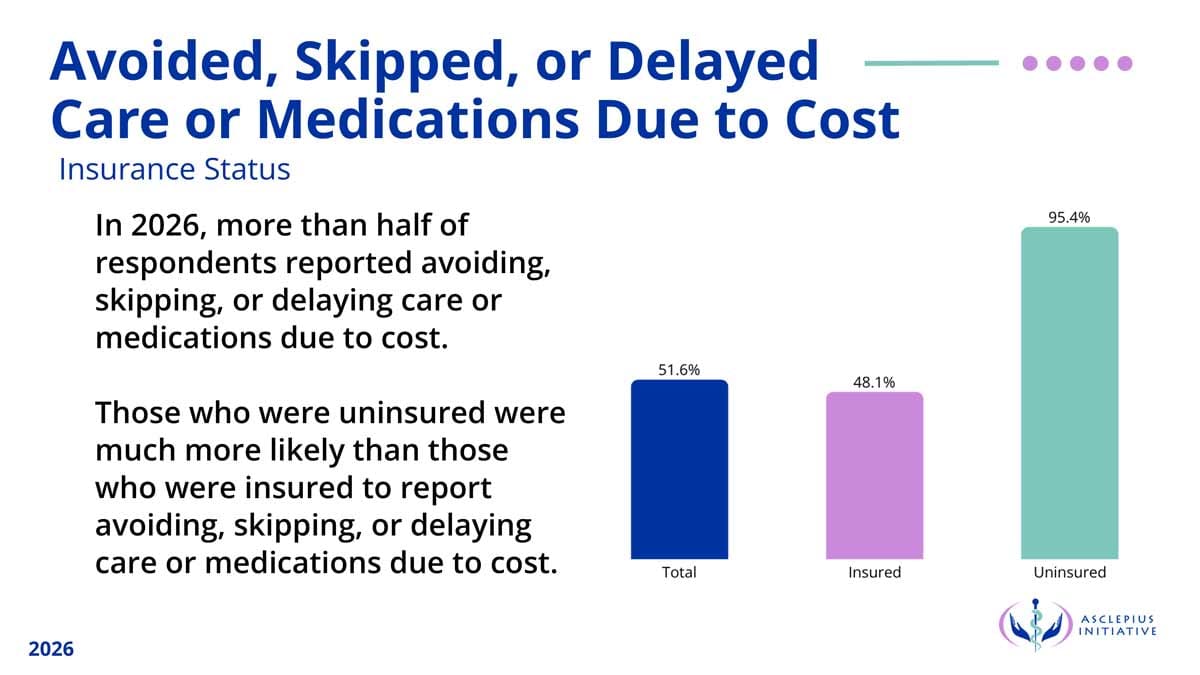
More than half of survey participants (51.6%) reported avoiding, skipping, or delaying medical care or medications because of cost.
The problem was especially dramatic among uninsured participants: 95.4% reported going without care or medications for financial reasons. But having insurance did not eliminate the problem. Nearly half of insured participants (48.1%) reported the same difficulty.
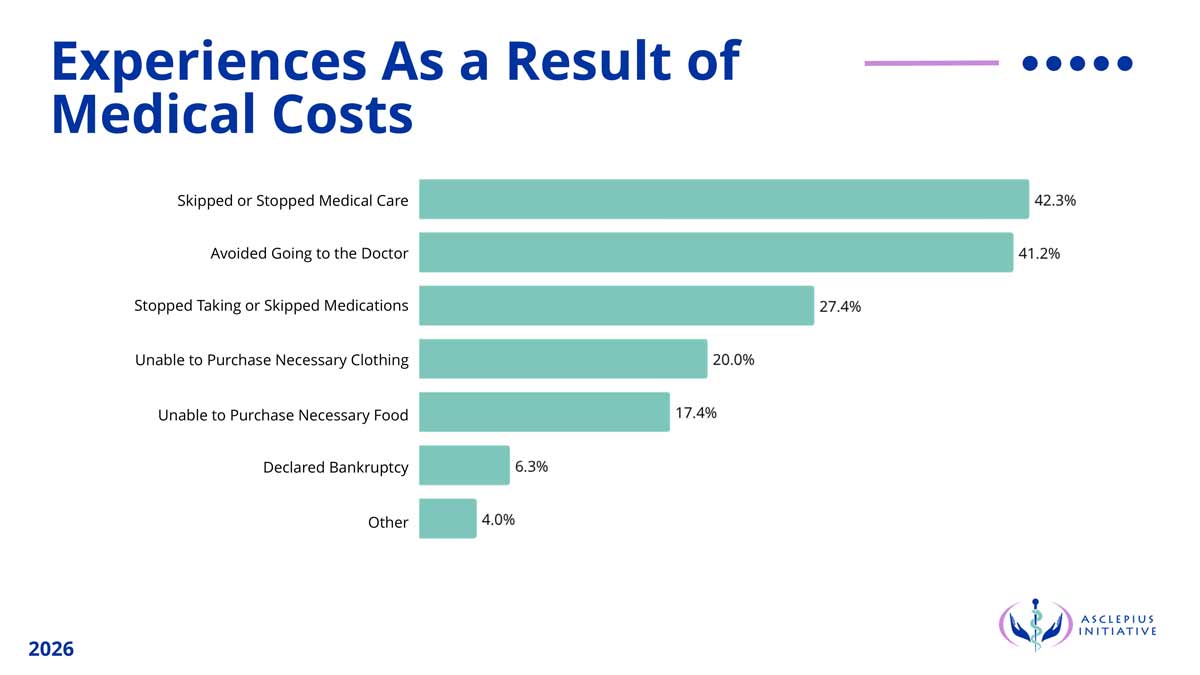
In breaking down specific details on the effects of medical expenses, 42.3% of participants reported skipping or stopping medical care, and 41.2% avoided going to the doctor. More than one-quarter (27.4%) stopped taking or skipped medications.
High medical costs also affected participants’ ability to pay for basic needs such as food and clothing. One in five (20%) said they could not afford necessary clothing, while 17.4% said they could not afford necessary food.
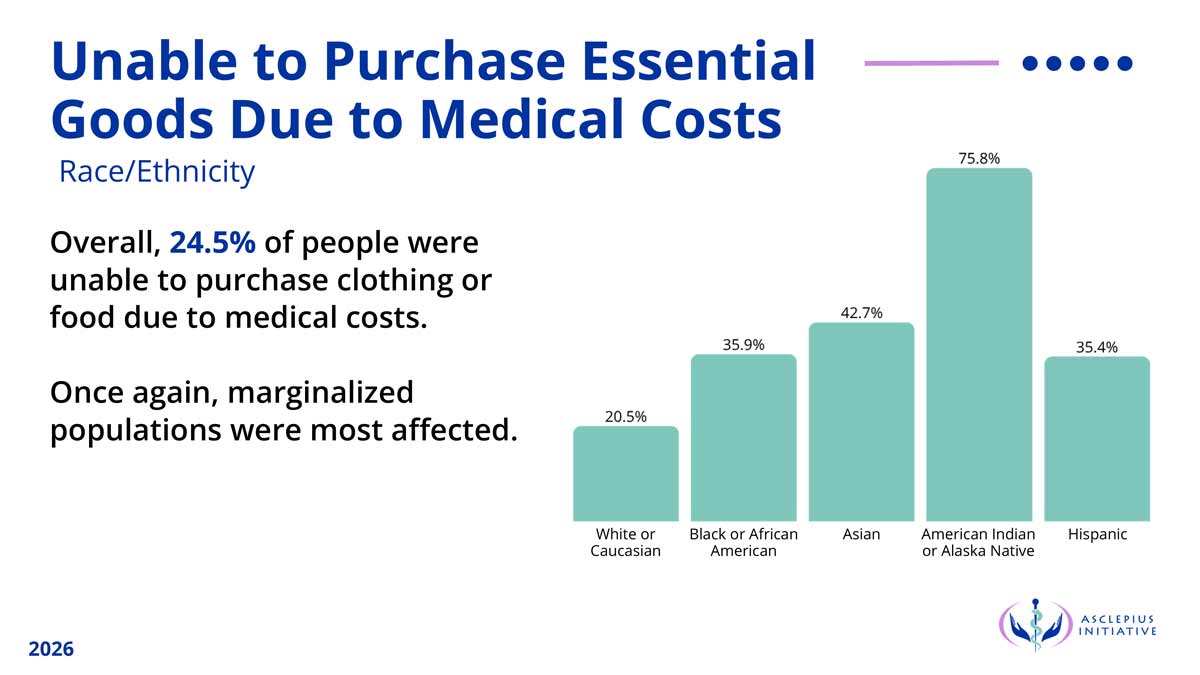
Overall, nearly one in four participants (24.5%) reported being unable to purchase food or clothing because of medical costs. The negative impacts of these expenses were not shared equally when analyzed by race. Among white participants, 20.5% reported being unable to afford these necessities, compared with 35.9% of Black participants.
Some participants faced even more severe financial hardship, with 6.3% reporting that they had declared bankruptcy because of medical costs.
Together, these findings show how health care costs can affect multiple areas of people’s lives. From delaying medical care to struggling with everyday expenses and serious financial consequences, the burden is great.
Worry About Health Care Costs Is Widespread
The long-term financial effects of health care costs can be an ongoing concern, including and extending beyond the current bills.
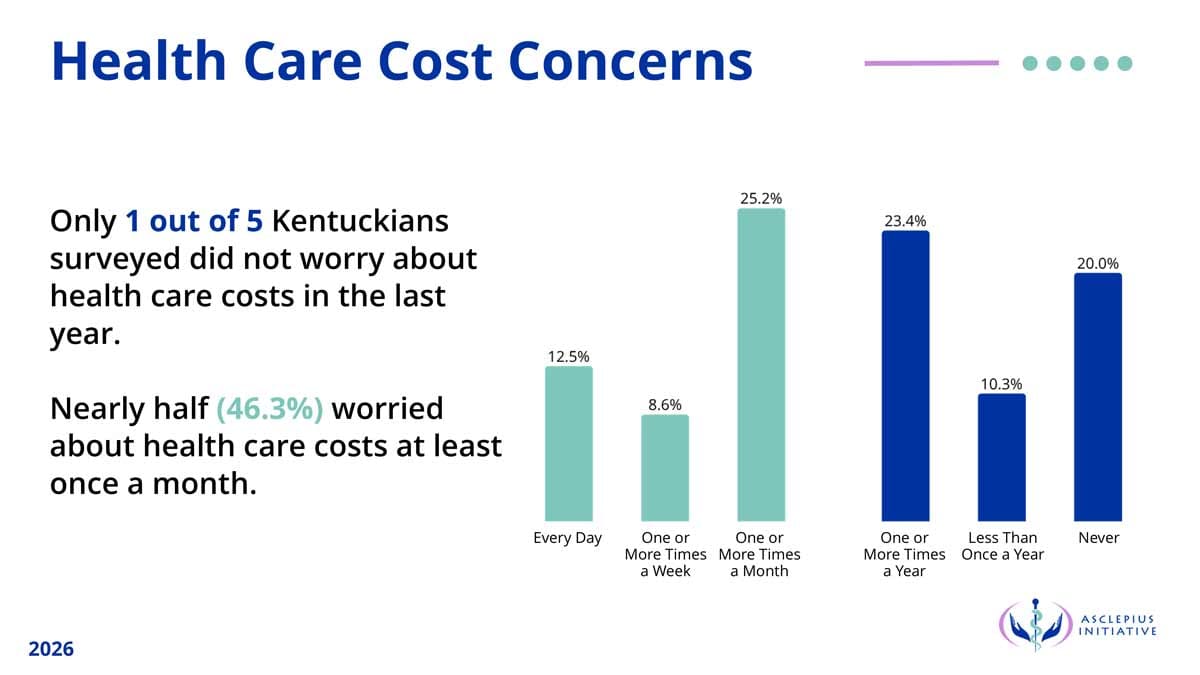
Nearly half (46.3%) reported worrying about health care costs at least once a month. More than one in ten (12.5%) worried every day, while another 8.6% worried at least once a week.
Only one in five participants (20%) said they never worried about health care costs during the previous year.
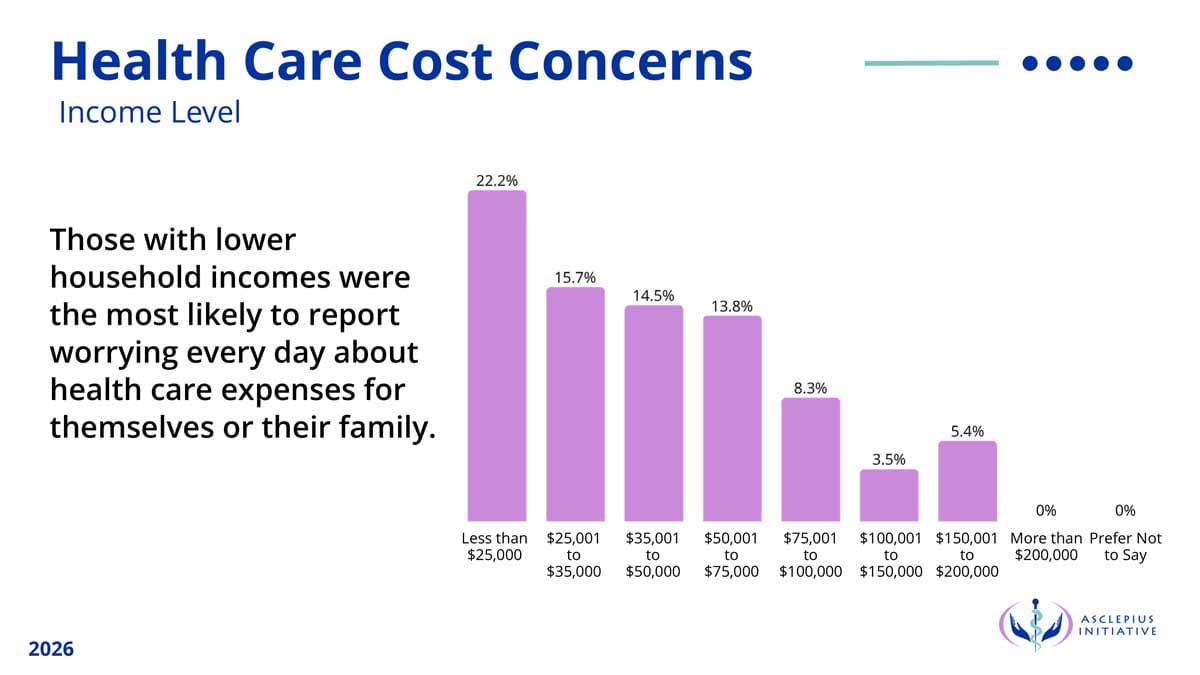
Household income made a difference. Among participants earning less than $25,000 a year, 22.2% reported worrying about health care expenses every day. Participants with lower incomes were more likely to report daily concerns than those with higher incomes.
These findings show that health care costs cause emotional stress for a large number of Kentuckians.
Paying for Insurance Is Only Part of the Problem
Having health insurance doesn’t necessarily mean that people can afford to get the health care that they need. Deductibles, copays, coinsurance, services not covered by the plan, plus any employee share of the premium costs can add up quickly, leaving people with medical bills they may struggle to pay.
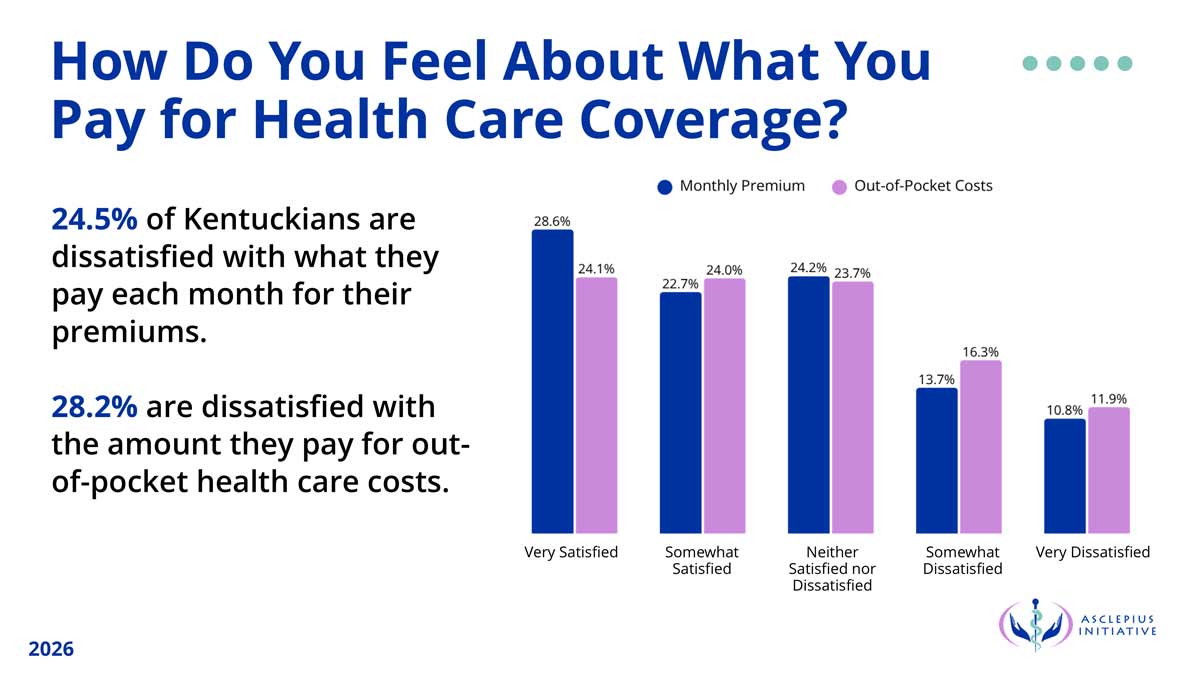
TAI’s survey asked participants how satisfied they were with these different expenses. Nearly one-quarter (24.5%) were dissatisfied with their monthly premiums. An even larger share (28.2%) were dissatisfied with what they paid out of pocket for medical care.
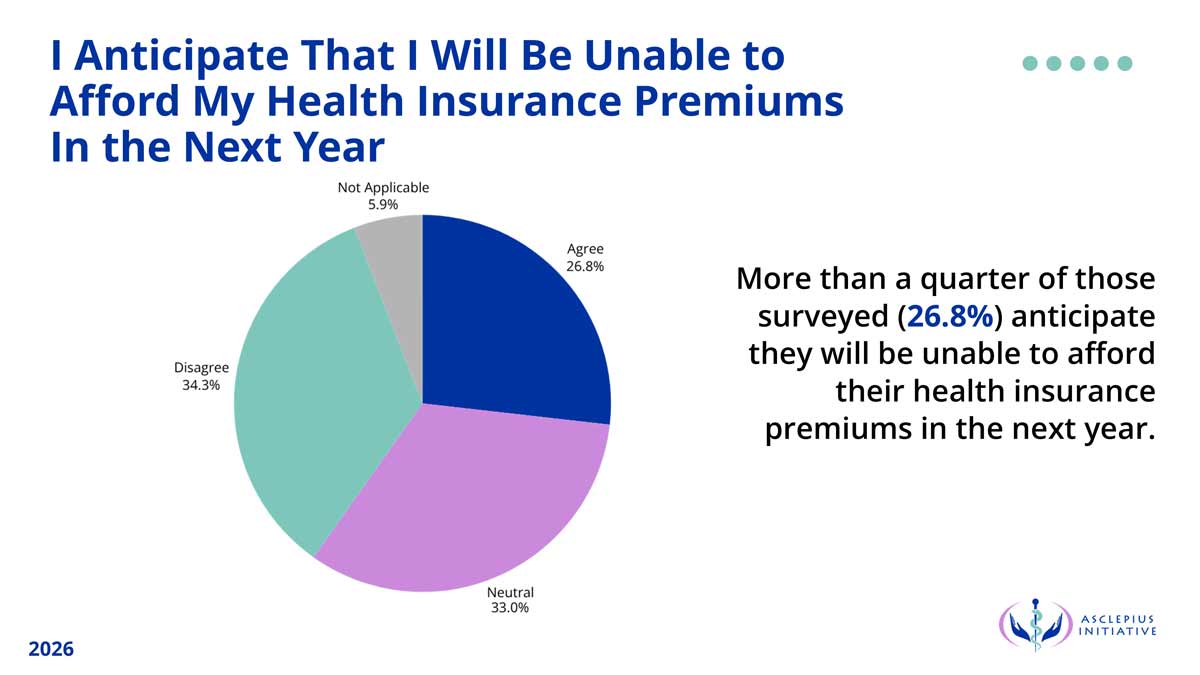
Looking ahead, more than one-quarter (26.8%) expect they will be unable to afford their health insurance premiums the next year.
Affordable Coverage Must Make Care Affordable, Too
The survey’s findings clearly demonstrate that simply having health care coverage is not enough if people still cannot afford to use it. When medical costs force people to skip treatment, go without medications, or struggle to pay for basic necessities, the system doesn’t work.
TAI supports a model that provides a universally accessible, continuous, affordable, equitable, and high-quality health care coverage system. No one should have to choose between their health and providing for themselves and their families.